A PM once brought a sprint plan to review with stories like “improve onboarding” and “fix auth.” Engineering didn’t push back. They just spent the next week asking clarifying questions, splitting hidden work, and shipping less than anyone expected.
That’s what bad agile story writing does. It doesn’t just create messy tickets. It burns team time, hides risk, and makes a solid roadmap look unreliable.
The Foundation The Best PMs Use for Story Writing
The strongest PMs don't start with the template. They start with the test.
Before a story goes into refinement, ask two questions. Is this worth building? And can a team build it without guessing?** If the answer to either is fuzzy, the story isn't ready.
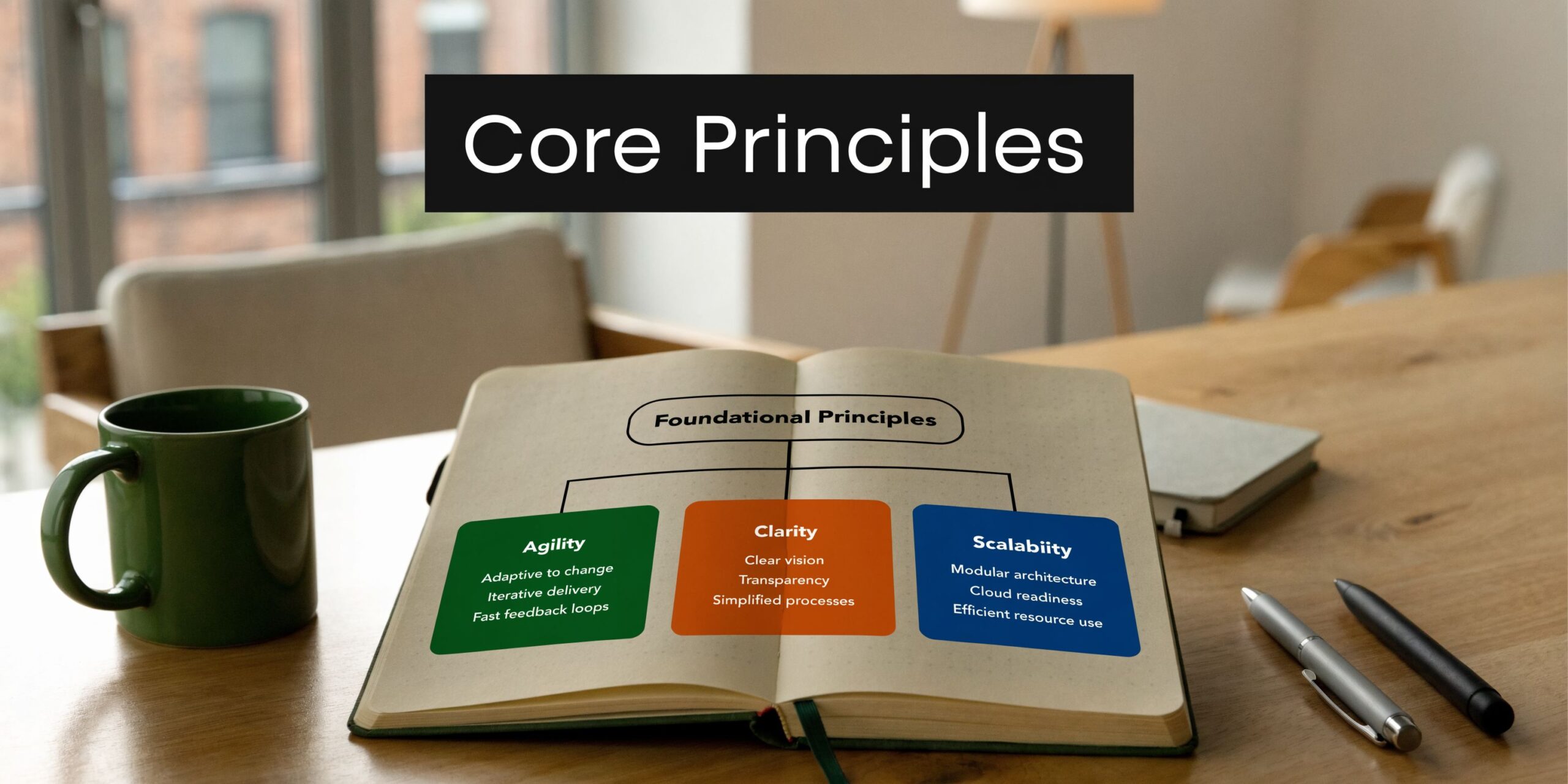
That’s where INVEST and the 3 C’s stop being Agile jargon and become operating tools.
Use INVEST as a quality filter
A good story is Independent, Negotiable, Valuable, Estimable, Small, and Testable.
Most weak backlogs fail on three of these first.
- Valuable: If you can’t explain who benefits and why, you probably have a task, not a story.
- Small: If it can’t fit comfortably inside a sprint, it belongs at the epic level.
- Testable: If QA or engineering can’t tell what “done” means, the team will fill in the blanks differently.
The practical move is to review stories in that order. Value first. Size second. Testability third. Independence and estimation matter, but PMs usually get into trouble earlier than that.
A common failure mode looks like this:
“As an admin, I want a new reporting dashboard so that I can manage the business.”
That sounds fine until you pressure-test it. Which admin? What decisions does the dashboard support? What’s the first usable version? What counts as complete? The sentence is clean. The thinking isn’t.
Use the 3 C’s to prevent specification theater
The 3 C’s framework, Card, Conversation, Confirmation, was coined by Ron Jeffries in 2001 and shifted teams away from rigid requirement documents toward collaborative discussion, with dialogue prioritized over documentation, as Atlassian explains in its guide to user stories: https://www.atlassian.com/agile/project-management/user-stories
That history matters because many PMs still misuse stories as mini PRDs.
The 3 C’s keep you honest:
- Card: A lightweight reminder of intent.
- Conversation: The discussion that surfaces edge cases, trade-offs, and technical realities.
- Confirmation: The acceptance criteria that prove the work is complete.
If one of those is missing, the story weakens fast.
I’ve seen junior PMs over-invest in the Card because writing feels productive. Senior PMs know the value sits in the Conversation. A one-line story with a sharp team discussion beats a beautifully written ticket that nobody aligned on.
The mental model I want PMs to use
Treat story writing as a compression exercise. You are compressing product intent into something a cross-functional team can execute without losing user value.
That means each story should answer five things clearly:
- Who is the user or actor
- What outcome they need
- Why that outcome matters
- What constraints define success
- What the team still needs to discuss live
If you're still shaky on the basic structure, Aakash Gupta’s guide to the https://www.aakashg.com/definition-of-user-story/ is a useful refresher. And if your team keeps writing stories for features before the product scope is disciplined, it helps to ground the work in understanding what an MVP is, because oversized stories usually start with oversized product ambition.
What good PM judgment looks like
Strong agile story writing isn't about making tickets look polished in Jira, Linear, or Azure DevOps. It's about reducing avoidable ambiguity while leaving room for engineering insight.
Use this quick screen before a story enters backlog refinement:
- Business check: Does this clearly support a product goal, customer pain point, or operational need?
- Execution check: Could an engineer summarize the intent back to you without inventing missing details?
- Scope check: Is this small enough to discuss concretely, not philosophically?
- Readiness check: Are there clear ways to confirm the story works?
Practical rule: If a story needs a paragraph to explain what problem it solves, the story is probably too big or too blurry.
That’s the foundation. Without it, every later step becomes cleanup.
Crafting User Stories That Engineers Actually Understand
Most PMs know the basic format. Fewer write stories that let engineers start implementation without a round of Slack archaeology.
The core mistake is writing for the backlog instead of writing for execution. A user story isn’t a label for work. It’s a shared statement of intent plus boundaries.
Start with the simplest usable template
The classic format still works:
As a [persona], I want [action], so that [benefit].
But don’t treat it as mandatory poetry. Use it when it clarifies the user, the need, and the value. Drop the ceremony when another structure is clearer.
Examples:
- Customer-facing feature: As a returning shopper, I want to reorder a past purchase so that checkout is faster.
- Internal workflow: As a support agent, I want to view the latest payment status so that I can resolve billing tickets without escalating.
- Platform behavior: As the system, I want to reject expired reset links so that account recovery remains secure.
That last example matters. Some work is system behavior, not human desire. Forcing every story into a consumer persona can make technical requirements harder to understand, not easier.
Engineers need acceptance criteria more than elegant prose
The story sentence gets attention. Acceptance criteria do the heavy lifting.
Strong AC removes interpretation risk. It tells engineering, design, QA, and analytics what must be true for the story to count as done.
A good rule is simple. If two people can read the criteria and imagine different shipped outcomes, the criteria are weak.
Here’s the difference.
| Vague Criteria (Anti-Pattern) | Actionable Criteria (Best Practice) |
|---|---|
| User can easily log in | User can log in with a valid email and password |
| Show helpful errors | If credentials are invalid, the user sees an error message and remains on the login screen |
| Admin can manage users | Admin can deactivate an active user account from the user details page |
| Checkout should work on mobile | A signed-in user can complete checkout on a mobile browser using a saved payment method |
| Send notification after publish | When an article is published, the system sends a confirmation notification to the author |
Notice what changes. The right side names actor, event, behavior, and expected result.
Write AC that is testable, not aspirational
When I coach PMs, I tell them to write criteria that a skeptical QA lead would accept.
Use these prompts:
- Entry condition: What state is true before the user acts?
- Action: What exactly happens?
- Expected result: What should the product do?
- Failure path: What happens if the input is invalid or blocked?
- Boundary: What is intentionally not included?
That’s why Given / When / Then is useful. It forces precision. If you want a sharper walkthrough on that format, this guide on https://www.aakashg.com/acceptance-criteria-given-when-then/ is worth keeping handy.
A story writing workflow that holds up under pressure
I’d use this with any PM team.
Write the first draft fast
Capture role, intent, and outcome in one or two lines. Don’t perfect wording yet.State the user value explicitly
If the “so that” clause sounds generic, the story probably isn’t anchored in a real problem.List acceptance criteria separately
Don’t bury them in the description field.Add edge cases
Invalid input, empty state, permissions, and failure handling are where hidden work usually lives.Mark unknowns before refinement
Unknown analytics events, missing design states, legal copy, or API assumptions should be called out early.
A story should create fewer questions, not more. Questions that remain should be the useful kind, about trade-offs, not basic intent.
What doesn’t work
A few patterns consistently create churn:
- Task masquerading as story: “Build API endpoint for invoices.” That belongs in implementation planning, not the product backlog.
- Persona without context: “As a user.” Which user? New, returning, admin, premium, guest?
- Value-free requests: “As a customer, I want filters.” Filters for what decision or job?
- Bundled acceptance criteria: One ticket that mixes permissions, UI states, notifications, tracking, and migration work with no separation.
That last one is common in teams moving quickly. The PM tries to save time by stuffing everything into one story. Engineering then has to slice it under deadline, which is the most expensive time to do that thinking.
A strong example
Story
As a returning shopper, I want to reorder a previous purchase so that I can buy routine items faster.
Acceptance criteria
- User can access a “Reorder” action from order history
- Selecting “Reorder” adds all currently available items from that past order to cart
- If an item is unavailable, the user sees which item was skipped
- Cart reflects updated current pricing before checkout
- Event is logged when reorder is initiated
That’s not over-documented. It’s executable.
The Art of Story Slicing and Decomposition
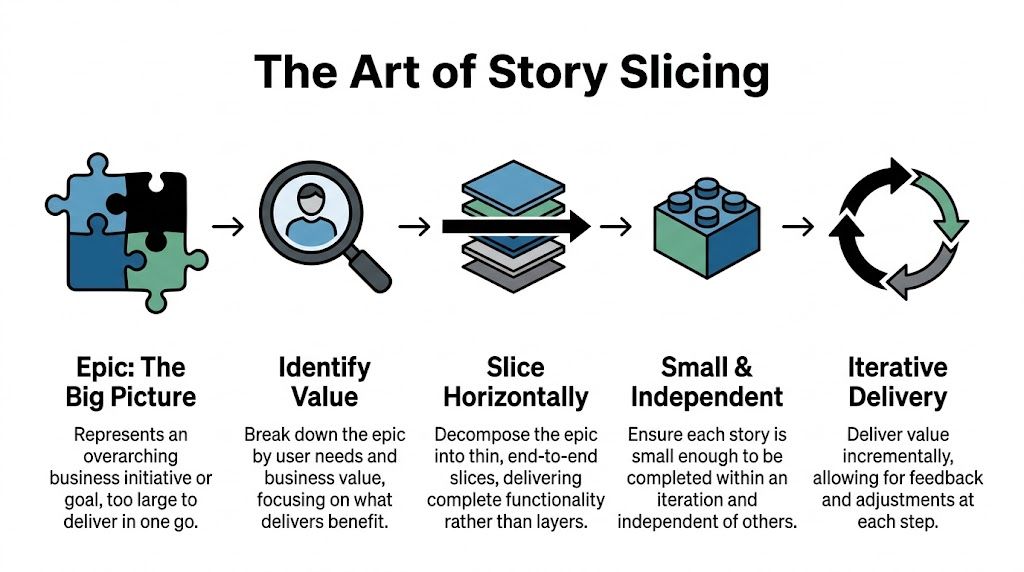
Big product ideas rarely fail because the strategy is weak. They fail because the team tries to ship the whole thing at once.
A feature like “launch loyalty program” sounds coherent in roadmap review and useless in sprint planning. Teams need slices that deliver value in sequence.
Slice vertically, not by technical layer
The best default is a vertical slice. That means one thin end-to-end piece of functionality a user can experience.
Bad decomposition sounds like this:
- Build loyalty database
- Create loyalty API
- Design loyalty UI
- Add analytics events
That’s a work breakdown structure. It’s useful for delivery planning, but it’s not a customer-centered backlog.
Better slicing looks like this:
- As a signed-in customer, I can see whether I’m enrolled in rewards
- As a signed-in customer, I can enroll in rewards from account settings
- As a rewards member, I can see my current points balance
- As a rewards member, I can redeem points at checkout
Each item still involves backend, frontend, logic, and QA. That’s the point. You’re shipping value, not phases.
Use repeatable decomposition patterns
When an epic is too big, break it using one of these patterns.
- Workflow step: Search, select, pay, confirm
- Persona: Guest shopper, signed-in shopper, admin, support agent
- Business rule: Domestic orders first, international later
- Risk level: Core happy path first, exceptions later
- Channel: Web before mobile app, if that sequencing is intentional
Good PMs don’t use one pattern blindly. They choose the one that produces the cleanest independent slices.
A hospitality product like Airbnb, for example, might decompose a host cancellation initiative by workflow. First notify the host. Then surface consequences. Then enable rebooking support for guests. Then handle policy exceptions. The sequence matters because each slice creates learning.
Size stories for real sprint execution
Agile coaching guidance suggests teams should target 5 to 15 user stories per sprint, because that range keeps work manageable, supports swarming, and helps delivery stay predictable. The same guidance notes this in the context of sprint planning rules of thumb: https://www.leadingagile.com/2015/05/agile-story-points-how-many-user-stories-per-sprint-rules-of-thumb/
That number isn't a productivity scoreboard. It’s a signal about story quality.
If your team routinely plans only a handful because every story is massive, your slicing is off. If the team carries a flood of tiny stories, you may be atomizing work into administrative noise.
Small stories create visibility. Tiny stories create overhead.
A practical decomposition drill
Take an epic and force yourself to answer these in order:
- What is the first user-visible value?
- What’s the narrowest happy path we can ship?
- What rules or edge cases can wait one iteration?
- Which slices can stand alone if another one slips?
If you want a visual planning aid for that exercise, Aakash Gupta’s examples of story maps at https://www.aakashg.com/examples-of-story-maps/ are useful for turning broad initiatives into execution paths.
What strong decomposition reveals about a PM
Story slicing is one of the fastest ways to tell whether a PM can run product delivery.
Anyone can describe the end state. Strong PMs can define the sequence that gets there with learning, low risk, and usable increments. That’s what teams trust. It’s also what hiring managers look for when they assess whether someone can operate above feature-factory level.
Running Effective Refinement and Estimation Sessions
A weak refinement meeting sounds like status theater. The PM reads a ticket. Engineering asks what it means. Design says the empty state isn’t done. Someone raises an integration dependency in the last five minutes. The estimate is meaningless because the team never aligned on scope.
A strong one feels different. People leave with fewer surprises than they walked in with.

What the PM should do before the meeting
Refinement quality is set before the call starts.
Bring stories that already have:
- Clear intent: The team should know the user problem and why it matters now.
- Draft criteria: Not final, but concrete enough to react to.
- Known unknowns: Call out missing design details, policy questions, instrumentation needs, or external dependencies.
- A proposed slice: Don’t bring the whole feature if only one slice is discussable.
If you want a broader operating rhythm for this work, this guide on https://www.aakashg.com/sprint-planning-best-practices/ is a helpful companion because refinement and planning break when teams treat them as separate rituals.
Run the discussion like a leader, not a narrator
Here’s the sequence I’d use in a real session.
First, frame the story in plain English. One or two sentences. What user problem are we solving, and what is the smallest useful version?
Then stop talking.
Ask engineering where they see ambiguity. Ask design what state is missing. Ask QA what they can’t yet verify. Ask data or analytics what event definition is required. The Conversation part of agile story writing proves its worth.
The PM’s job is not to defend the draft. It’s to expose hidden assumptions early.
A scenario that comes up constantly
You bring a story for “allow users to reorder from order history.”
One engineer says it’s straightforward. Another points out archived catalog items and pricing drift. Design says the unavailable-item state isn’t covered. QA asks whether a partial reorder should succeed. Suddenly the estimate spreads.
That’s a good meeting.
The wrong move is pushing for consensus because the sprint board needs a number. The right move is to tighten the story:
- Keep reorder for available items in scope
- Add explicit messaging for skipped items
- Confirm current pricing applies
- Move bundle handling out of scope if unresolved
Now the estimate means something.
The purpose of refinement isn’t to prove the story is small. It’s to find out whether it actually is.
A useful explainer to share with newer teammates is below.
Handle estimation disagreements the right way
Planning Poker works when the team estimates after discussing assumptions, not before.
If estimates diverge sharply, don’t average them. Ask the low and high estimators what they’re seeing. Usually one person has spotted complexity others missed, or one person is assuming a narrower scope than the written story implies.
Use disagreement diagnostically:
- Large spread because of unknowns: Park the story and do follow-up.
- Large spread because of hidden scope: Split the story.
- Large spread because of implementation preference: Let engineering align on approach, then re-estimate.
Signals that a story isn’t ready
Some stories should leave refinement unfinished. That’s healthy.
Watch for these signs:
- Discussion keeps returning to fundamentals: The user problem is still vague.
- The team can’t name done: Confirmation is missing.
- Dependencies dominate the conversation: The story isn’t independent enough.
- Scope keeps expanding in real time: You’re discussing an epic wearing a story costume.
The PM who can run this session well becomes a force multiplier. Not because they know every technical detail, but because they create the conditions for better decisions.
Leveraging AI for Smarter Story Writing
Most PMs should be using AI in their backlog workflow. Not because it can replace product judgment. It can’t. Because it speeds up the parts of story writing that are repetitive, pattern-based, and easy to draft poorly under time pressure.
Used well, AI helps with first drafts, edge cases, and formatting. Used badly, it gives you polished nonsense.
A 2025 Atlassian study found that AI assistants led to 40% faster backlog creation but also a 25% higher rework rate due to issues like hallucinated personas, as summarized in ICAgile’s discussion of user stories and modern PM workflows: https://www.icagile.com/resources/what-is-a-user-story-in-agile-methodology-and-how-do-you-write-one
That trade-off is the whole game. Speed is available. Accuracy still depends on you.
Where AI actually helps
I’d use ChatGPT, Claude, or Gemini for four jobs:
- Drafting candidate stories: Turn a feature brief into multiple story options by persona or workflow.
- Expanding acceptance criteria: Ask for happy path, failure path, permissions, and empty states.
- Surfacing edge cases: Especially useful for billing, identity, notifications, and admin flows.
- Rewriting for clarity: Translate vague business language into testable backlog language.
GitHub Copilot can also help engineering think through implementation notes once the story is stable. But the PM still needs to define user value and scope.
Prompts worth copying
Use prompts that constrain the model.
Prompt for story draft
“Convert this feature brief into 5 user stories. Use clear personas, one user outcome per story, and keep each story small enough for one sprint. Flag any story that seems too large.”
Prompt for acceptance criteria
“Write acceptance criteria for this user story. Include happy path, invalid input, permissions, empty states, and one out-of-scope note. Avoid inventing business rules that aren’t stated.”
Prompt for decomposition
“Break this epic into vertical slices that deliver user-visible value. Prioritize the narrowest usable slice first.”
Prompt for critique
“Review this story using INVEST. Explain which parts are weak and rewrite only the weak parts.”
The validation layer is not optional
Every AI-assisted story should pass a human review checklist:
Persona check
Is the user real, specific, and relevant to the problem?Policy check
Did the model invent rules about permissions, pricing, compliance, or notifications?Scope check
Did it inadvertently combine multiple stories into one?Language check
Does the wording sound crisp enough for engineering, QA, and design to act on?Source-of-truth check
Is every requirement grounded in actual product context, not model guesswork?
AI is a drafting partner. It is not a product owner.
For PMs building a modern toolkit, one practical roundup is https://www.aakashg.com/ai-tools-for-product-managers/, alongside tools like ChatGPT, Claude, Gemini, Notion AI, and Jira’s native writing support.
The PMs who gain significant advantage from AI aren’t the ones who accept the first answer. They’re the ones who know what good looks like and use the model to reach it faster.
Story Writing Anti-Patterns and Your PM Checklist
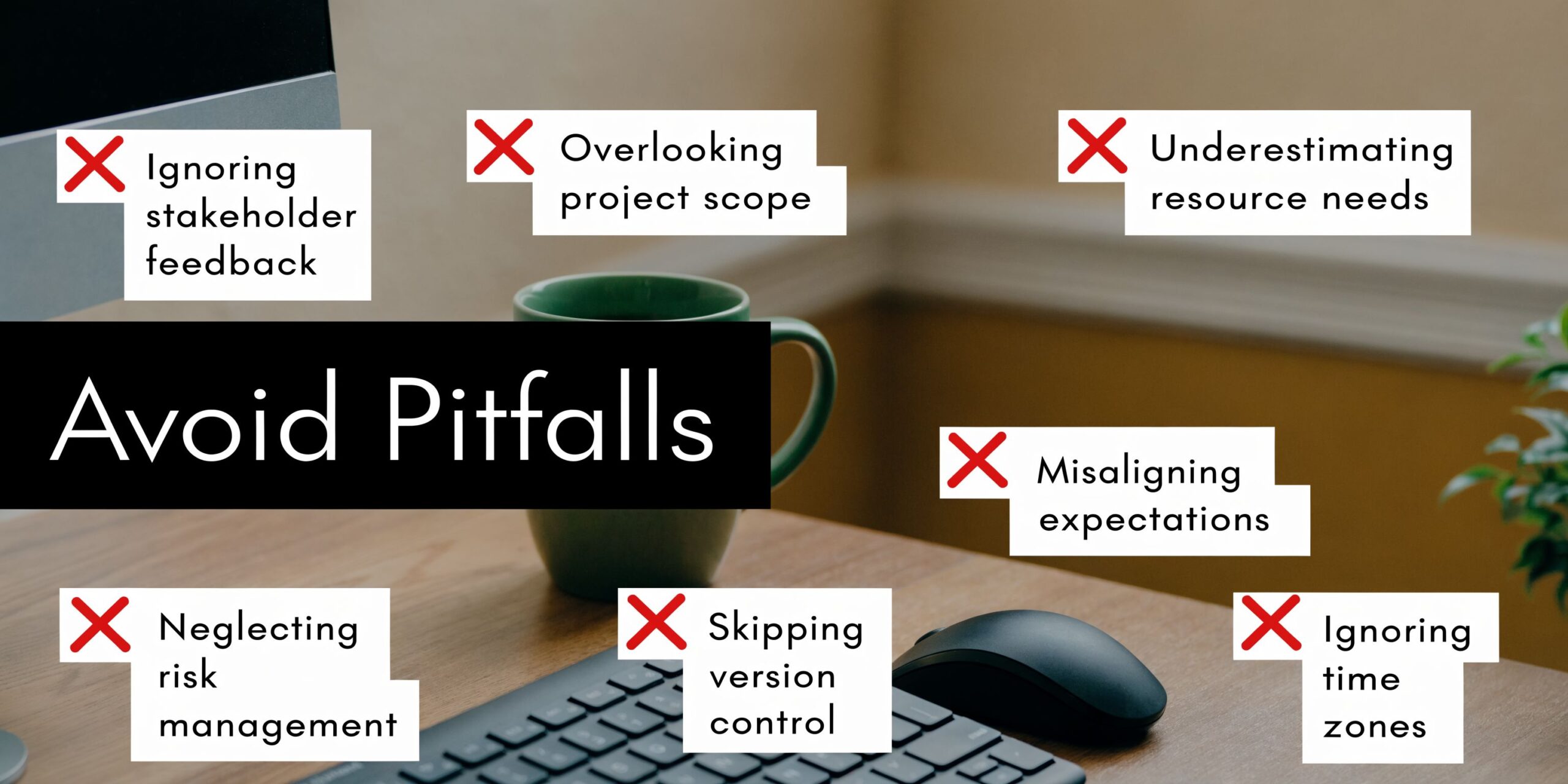
Most story problems are predictable. They keep showing up because teams reward motion more than clarity.
You can prevent a lot of rework by spotting the patterns early.
The anti-patterns that hurt teams most
The Novel
This story tries to contain every requirement, edge case, business rule, and implementation note in one place.
It usually signals fear. The PM knows ambiguity is dangerous, so they overcompensate with volume. The result is harder to read, harder to estimate, and still not clear.
Fix it by separating the core story from supporting detail. Keep the user intent short. Put testable conditions in acceptance criteria. Move deep implementation notes to technical discussion.
The To-Do List
This is not a user story. It’s a task bucket.
Examples include “create endpoint,” “build modal,” or “update schema.” Those may be valid engineering tasks, but they don’t belong in the product backlog as a substitute for user value.
The cure is simple. Rewrite around the actor, outcome, and reason. Then let engineering decompose into tasks after the team agrees on intent.
The Dependent
This story cannot ship unless three other stories land first.
Some dependencies are real. But many are self-inflicted because the PM decomposed by team or system layer instead of user value. The more dependent the backlog becomes, the less flexibility the team has when priorities shift.
A cleaner story can often stand alone with narrower scope.
The Placeholder
This one says things like “improve search experience” or “make onboarding better.”
It helps roadmap slides look tidy and does nothing for execution. Placeholder stories are often an invitation for engineering to guess, which they shouldn’t have to do.
If the request is still exploratory, label it accordingly. Don’t disguise discovery work as development-ready work.
The negative story gap
One of the most overlooked parts of agile story writing is capturing negative user stories. These are the stories that prevent harmful or invalid behavior, especially in security, permissions, fraud, and compliance flows.
A 2025 Jira report noted that 28% of story refinements in enterprise teams involved these negative scenarios, yet most standard guides still don't offer a structured methodology for writing them, as summarized in Mountain Goat Software’s user story discussion: https://www.mountaingoatsoftware.com/agile/user-stories
That matches what many teams experience. The happy path gets written first. The dangerous path gets discovered later.
Examples:
- As the system, I want to block invalid login attempts so that unauthorized access is reduced
- As an admin, I want restricted roles prevented from exporting sensitive data so that access rules are enforced
- As a shopper, I want expired promo codes rejected clearly so that checkout behavior is predictable
These aren’t edge trivia. They are part of the product.
Good PMs write for what should happen. Great PMs also write for what must never happen.
Your pre-refinement PM checklist
Use this before every backlog review.
User and value are explicit
Can someone point to the actor, desired outcome, and reason this matters?Story is appropriately sized
Is it narrow enough to discuss as one unit of value, not a mini-project?Acceptance criteria are testable
Can QA, engineering, and design verify completion without guessing?Unknowns are named
Missing states, policy questions, analytics events, or design gaps are visible before discussion starts.Dependencies are minimized
The story should stand on its own as much as possible.Negative scenarios are covered where relevant
Permissions, invalid states, misuse, and security behavior shouldn't be an afterthought.Language is plain
If the story sounds like internal jargon or strategy theater, rewrite it.Out-of-scope items are stated
This keeps the conversation from inadvertently expanding the work.The team can hold a useful conversation about it
If the story still needs foundational discovery, don’t pretend it’s ready.
The standard I’d expect from my own PM team
A good story gets built. A strong story gets built with shared understanding, fewer surprises, and less churn between product, design, engineering, and QA.
That’s the main payoff of agile story writing. You’re not optimizing ticket aesthetics. You’re improving decision quality before code starts.
The PMs who level up fastest usually make one shift. They stop asking, “Did I write the story?” and start asking, “Did I make the work clear enough for a team to ship confidently?”
If you want more operator-level product management frameworks, hiring advice, and execution playbooks, Aakash Gupta publishes resources for PMs at every stage, from breaking in to leading teams at scale.
